Tourist Traps in Playa Del Carmen: What to Avoid
Playa Del Carmen is one of the most popular destinations in Mexico, and for good reason. The beaches are beautiful, the food scene has a lot to offer, the downtown is almost walkable to everything, the location makes it easy to explore the Riviera Maya, and the town has a unique mix of local Mexican culture and international visitors.
However, like any major tourist destination, Playa Del Carmen has some tourist traps. Most of them are not dangerous, but they can cost you extra money, waste your vacation time, or leave you feeling like you did not get the experience you expected. The good news is that most tourist traps are easy to avoid when you know what to look for.
This guide explains the most common tourist traps in Playa Del Carmen, including shopping scams, transportation issues, overpriced tours, restaurant tricks, and situations where visitors often pay more than they should. The goal is not to scare visitors away. Playa Del Carmen is a great destination. The goal is to help you enjoy your vacation like someone who knows the area.
What Is A Tourist Trap?
A tourist trap is a business, service, or experience designed mainly for visitors where you may not receive the value you expect. Sometimes it is an actual scam. Other times it is simply a situation where tourists pay much more than locals for the same thing.
Common examples include overpriced souvenirs, fake discounts, poor quality tours, inflated taxi prices, restaurants aimed only at tourists, activities that sound better than they actually are.
Many tourist traps exist because visitors are unfamiliar with local prices and customs. A little preparation can save you money and help you have a better trip. This is where we come in, we will try to cover all the tourist traps in Playa Del Carmen, so you know what to avoid.
The “Going Out Of Business” Sale Trap
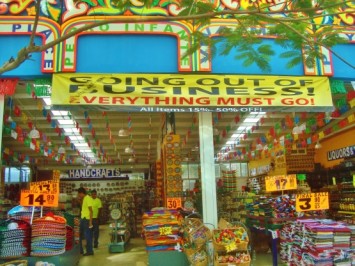
One common tourist trap you may see around tourist areas, especially busy shopping streets, is the permanent going out of business sale. Signs advertising: “Everything must go”, “50% off” or “Closing sale” can attract visitors looking for a deal. The problem is that some of these signs stay up for months or even years. The “sale” price may simply be the normal price. Before buying something because it looks like a bargain, compare prices at other stores.
All of the time those signs of going out of business are only there to get people’s attention and trick you into thinking there is a sale.
Shopping In Tourist Areas
Playa Del Carmen has many excellent shops, but not every store is aimed at giving visitors the best value. Stores located directly in the busiest tourist areas often have higher prices because they pay higher rents and target travelers. This does not mean everything on Fifth Avenue is bad. There are many good restaurants and shops there.
However, be aware that:
- Tourist-focused stores often charge more. Lower 5th Avenue (between the Cozumel Ferry Pier and 10th Street) is the area most describe as a tourist trap. This is because it is the older part of Playa and they are used to getting people coming from the ferries and cruises. people that are just arriving to Playa or are in town for a short time often are easier prey for overcharging.
- Items may be less authentic than they appear. Not many of the “typical” Mexican things are even from the Riviera Maya or made here. See our article What to buy in Playa Del Carmen- the guide to the best things
If you want souvenirs, compare prices before purchasing. Most grocery stores have a souvenir section. Most of these are small and affordable
Note: If you are staying at an all-inclusive hotel in Playa Del Carmen or nearby, you will almost always get better prices in Playa plus have a lot more selection.
ATM And Money Traps
ATMs are another area where visitors should be careful. Avoid using random standalone ATMs, especially in highly tourist areas. Some machines can have high fees, poor exchange rates, or increased risk of card problems. A safer option is using ATMs located inside or directly connected to banks. ATMs on the street are much easier to place skimmers. Physical banks have cameras and do not want a bad reputation where customers are being scammed at the ATM.
When the ATM asks if you want to accept their conversion rate, many travelers choose to decline and allow their own bank to handle the conversion. This can often provide a better exchange rate.
Paying In Dollars Instead of Pesos
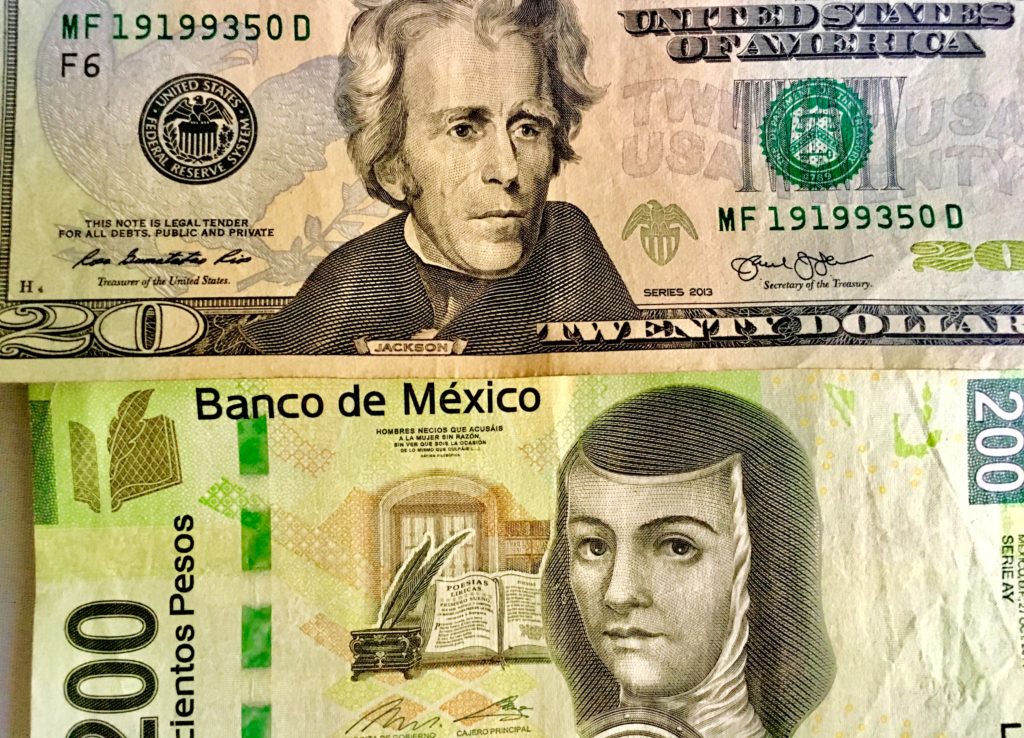
Many businesses in Playa Del Carmen accept US dollars. This is convenient, but it can cost you more. When businesses accept dollars, they choose their own exchange rate. The rate they offer usually is worse than the official exchange rate (Except La Europea, grocery stores, Walmart, and Home Depot).
Something priced in pesos may be converted into dollars using a rate that benefits the business. For example, if the official rate at a casa de cambio is 18 pesos to 1 USD, a store might exchange at 15, 16 or 17. This might not seem like much but an item that is 500 pesos might cost you $5.50 USD more if the store uses a lower exchange rate. And that is a big difference for an item that could cost about $28 USD.
A better strategy:
- Use pesos when possible. See our article Should you use dollars or pesos in Mexico? Exchanging money in Mexico
- Check the exchange rate.
Using a card is also common but always check your bank fees. We only recommend using a card for large purchases in reputable stores. Mexico is very much a cash society and cash is king. Do not use debit cards for purchases because of the risk of skimming. Monitor your credit cards after using it on vacation.
Restaurant Tourist Traps
Playa Del Carmen has amazing restaurants, but some places rely more on location than quality. Playa Del Carmen’s 5th Avenue sees about 8,000-10.000 people a day. That is a lot of potential clients. Some restaurants don’t really count on repeat clients because many are tourists and they will eat once and leave. This means they don’t have to have the best or most authentic food because they count more on people walking by rather than reviews.
We would estimate that about 70% of the restaurants on 5th Avenue would be considered a tourist restaurant. That means that locals eat at about 30% of the restaurants on 5th because they offer good food, service, value, and experience.
So how do you tell which restaurants are tourist traps and which ones are not? Here are some signs of a tourist trap restaurant:
- A person outside pointing people to the menu. They all say about the same thing. They start talking about all the different types of food they serve.
- Large menus with everything imaginable.
- No locals eating there. This might be harder to tell in Playa because there is a wide mix of people living in Playa.
- Higher prices without better quality.
- Generic versions of Mexican food.
Tip: Don’t judge a restaurant just by how many people are there. Many concierges send people to restaurants that pay the biggest commission, not because they are the best restaurants.
Of course, if you look for restaurant off of 5th Avenue and in other parts of Playa, you will be more likely to have a local experience and pay local prices.
Transportation Tourist Traps in Playa Del Carmen
Transportation is one of the biggest complaints from visitors because prices are not always obvious. Taxis in Playa Del Carmen and ones working in the Riviera Maya are notorious for seeing how much they can ask for. How can you avoid these traps? We will tell you below.
Taxi Overcharging
Playa Del Carmen taxis do not use meters, so prices are supposed to be based on zones. The problem is that visitors often do not know the normal price. Many tourists are quoted higher prices because they are unfamiliar with the area and what prices should be like.
To avoid problems:
- If you are at a taxi stand on 5th Avenue, look at the sign with the list of prices. If leaving from an all-inclusive, ask at reception what you should expect to pay.
- Ask the price before getting in, especially if hailing a taxi on the street.
- Carry smaller bills. Taxi drivers are notorious for not having change.
- Confirm the destination. You don’t want to arrive or have the driver act confused and then want to charge more as if an “honest mistake ” took place.
- Avoid negotiating after arriving. The price should be known before taking off.
If you are unsure, ask your hotel what a normal fare should be.
Airport Transportation Traps
The Cancun Airport to Playa Del Carmen route is another place where travelers can overpay. Many people arrive tired after a flight and accept the first transportation offer they see.
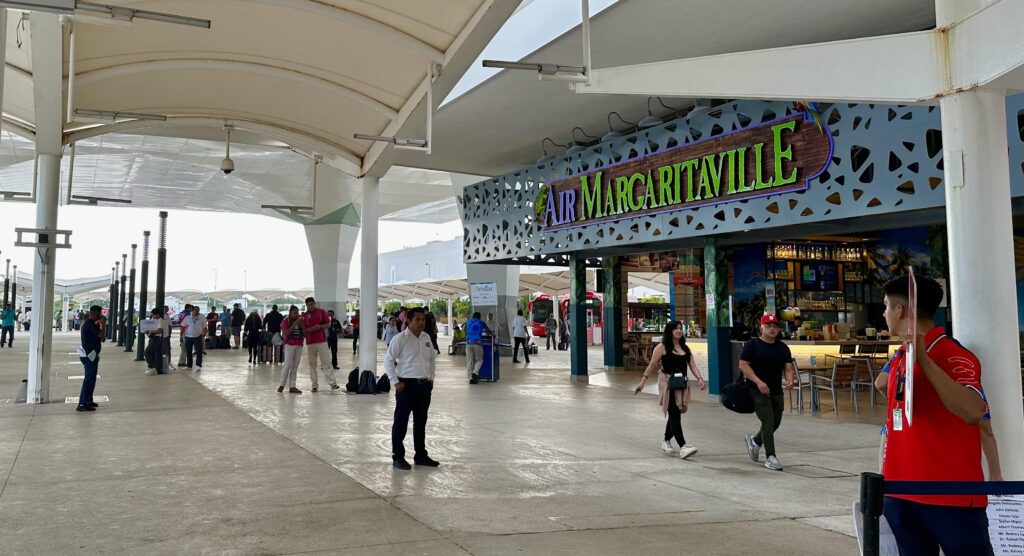
The tourists’ traps start with people looking to fill taxis and vans wearing “official” lanyards. These people do not work for the airport but rather independent companies. Some of these are actually timeshare companies that offer cheap transportation in exchange for a presentation. See more in our article How to Avoid Scams at Cancun Airport (Taxis, Timeshares, and Shopping)
The best option is arranging transportation ahead of time. See our guide for the best reliable options here: How to get from the Cancun Airport to Playa Del Carmen
Tours to Avoid in Playa Del Carmen
Tours are one of the biggest areas where visitors can waste money. Playa Del Carmen has many excellent tours, but there are also some offers that are not what they appear to be.
The “Half Price Tour” Trap
This tourist trap usually happens with tour sellers in booths or stands on 5th Avenue in Playa. A common sales technique is offering: “50% off” or “2 for 1” or “Today only”. Every time, this is not a true discount. No tour company ever has 1/2 price sales here. These are just tools to grab your attention and get you to ask about tours. They will show you the price of and Xcaret park for example and they show you an adventure park that is half the price. This is not comparing similar tours. The parks of Xcaret are two or three times better than the cheap tours.
It is also important to look at the details. Sometimes they do not include transportation, entrance fees or the same number of activities. The bottom line is, don’t fall for those tour traps. It is best not to book tours at booths on 5th Avenue for several reasons. One of them being the bait and switch tactics and also the small lies they tell people to sell a tour. See our article: How to book tours and have a great time in Playa Del Carmen!
Buying Random Tours on Booking Conglomeration Websites
There are several big websites that list many tours and it allows you to search for what you want. We do link to some of these tours, but there are some really important things to note when trying to book tours on your own.
There are often many of the same tours, but some of them are fake. Almost anyone can post a tour and add a price and try to make some money. Often these are tour resellers. They do not offer the tour, but rather just try to sell other people’s tours and make an extra buck. If you have an issue with the booking, you have to deal with the person you bought it from rather than the official tour provider.
Tip: Look at how many reviews a tour has. This can be a way to gage that the tour provider is real has provided many experiences to tourists.
Sometimes on these websites the same tour looks much cheaper. See the next section to see what the tourist trap is.
Watch out for Cheap Tours Online
Everyone likes a deal and to not overpay for things. We often shop by price and if the tour looks the same as others but cheaper, people sometimes buy the cheaper tour. There are reasons some tours seem really cheap. This is where the tourist traps come in. Here are the things you need to look at when looking at tours.
- Check if admission tickets are included. This is important because entrance fees to some ruins can be $35 USD per person. So, if a tour is $70 USD to Chichen Itza, you know that the final price will be a lot more. Some of these tours cram people onto a bus, charge you extra for everything, and usually the experience is very cheap.
- Look for added fees. Some tours slip in a “port fee”, environmental fee”, or “goods and services fee”. Sketchy tour companies do not add everything together in the final price.
- What is the actual quality of the tour itself? Cheap tours often include a really cheap buffet lunch, tour guides that are not as experienced, and stops at shops where the tour gets a commission off of the tacky souvenirs that are sold there.
We do recommend tours on our website only after we know the quality of them. Sometimes we filter down results, so you have a few options for the same destination.
Timeshare And Vacation Club Presentations
One of the biggest tourist traps in Mexico is the vacation club presentation. They start targeting you at the Cancun Airport when you arrive. Often couples that are 30–60-year-olds and look they are middle class.
You may be offered, a free breakfast, discounted tours, free activities, or resort credits. In exchange, you attend a presentation. Some people attend and enjoy the experience. Others feel pressured into buying something.
Common complaints include long presentations, high-pressure sales, and difficulty canceling. If you do attend one, understand exactly what you are agreeing to. See our article for many more details: Timeshares and vacation clubs-scam or investment in paradise?
Fake Or Low-Quality Tequila Experiences
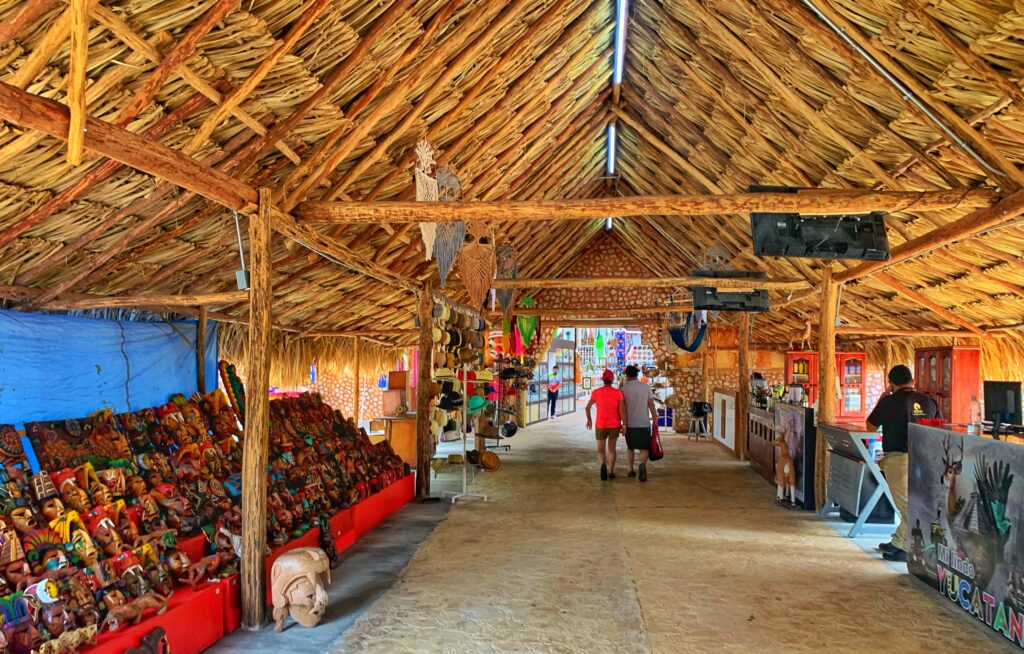
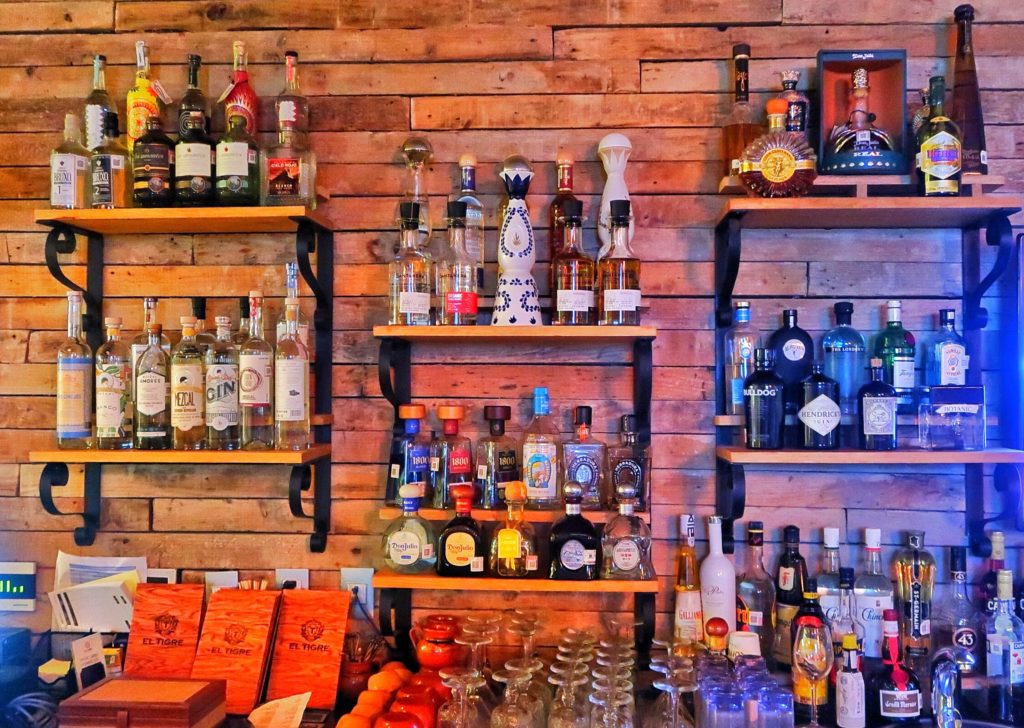
Many visitors want to bring tequila home from Mexico. That is a great idea but be careful. Some tourist shops sell bottles with impressive labels that may not represent the quality you expect.
Here is how the tequila trade works on Mexico. You can go to the tequila area of Mexico and buy x number of bottles and have your label put on them. It is the same generic tequila sold to all the other people; it just looks fancy with the label. This is not true of well-known brands or true artisanal tequilas. However, many tourist shops will have many unrecognized tequilas for sale, often at higher prices to make you think it is a good brand.
If you want tequila: look for recognized brands, buy from reputable stores (like La Europea or supermarkets), and avoid making decisions only based on a sales pitch. Stores like La Europea are where restaurants and locals buy their liquors. The prices are fixed and not overpriced. Plus, you know you will be getting the quality to price ratio. See our article: Where to Buy Wine and Alcohol in Playa Del Carmen Guide
Tip: If you want to learn about tequilas and taste some good brands, try taking a tasting from Tequila tasting in Playa Del Carmen with Tequila Academy
Beach And Street Vendors
Street vendors are part of the experience in Playa Del Carmen, and many are honest people working hard. Some street venders have permits and others just set up on a blanket and move when the police come. Other sellers send their kids out to sell trinkets in restaurants.
Note: The laws in Mexico say that all items need to be priced in Pesos. They can have a secondary price in another currency. All taxes and fees have to be included in the price. However, many street venders are part of the informal economy. Most do not have prices on items, and you have to ask. This is where they can trap you into paying more than the item usually sells for.
Most things sold on the street are not the best quality, but they are affordable things to take home. Just be aware that are buying something inexpensive. It is good to check around in stores to see what official prices are, so you have some idea of what some souvenirs costs.
People are not supposed to sell things on the beach, but there are people that come by. Food tends to be ok prices. Sometimes it is homemade cookies or cut up mango in a cup. If it is bracelets or jewelry, take your time to examine the price compared to stores.
If someone insists you must buy immediately, that is usually a sign to walk away.
How To Avoid Tourist Traps Like a Local
The best ways to avoid problems are simple: do research before arriving, like reading this article. I personally plan on not buying anything the first day I am in a new location. This way I can look around, see what things are for sale and get an estimate on prices.
Once you have visited some stores and taken some time to think about what you want to buy, then compare options and buy what you think is a good deal for you. Ask questions about the item, if they don’t know much about it, it is just a reseller and often just looking to make a sale.
Remember that the best experiences are usually not the ones being aggressively sold.
Final Thoughts
Playa Del Carmen is a welcoming destination with many honest businesses and incredible experiences. Most visitors have a great time.
The goal is not to avoid everything. The goal is to recognize when something feels too good to be true or when someone is using pressure to make you decide quickly. A smart traveler takes their time, compares options, and chooses experiences because they truly want them, not because someone convinced them they might miss out.
With a little preparation, you can enjoy Playa Del Carmen, save money, and have a much more authentic Riviera Maya experience.
Further Reading and Research to Avoid Tourist Traps
Here are a few related articles you might want to look at:
About The Author