
The Guide for Road Trips in the Yucatan Peninsula
The Yucatán Peninsula is one of the Mexico’s best regions for a road trip. The roads are generally flat, well-maintained, and there are only a few tolls. A road trip can lead you through a stunning mix of turquoise Caribbean waters, a sea of green forest, and colonial history. Just a few hours from the Riviera Maya it can feel like another country. The contrasts between parts of the peninsula can be great, this lends to new experiences and that feeling of discovery.
Starting and ending in Playa Del Carmen puts you in the heart of the Riviera Maya, perfectly positioned for loops north, south and interior of the Yucatan Peninsula.
When is a Good Time to Take a Road Trip?
Weather affects vacations a lot. Especially if you are going to be doing a lot of outdoor activities. The good news is, the Yucatan Peninsula is tropical and has warm weather year-round. You can even swim in the ocean or cenotes anytime of the year.
-
Best Time (December-April): This is the dry season. The weather is perfect (low 80s°F / 27-29°C), humidity is manageable, and the water is clear for snorkeling. Just keep an eye on when Easter falls on the calendar. The Holy Week or Semana Santa as it is known in Mexico, it is one of the busiest travel times in Mexico. Many Mexicans travel during this time in addition to foreigners coming. Beach and tourists’ hotspots get busy and prices rise.
-
Shoulder Season (May & November): May is hot, it might not rain at all, but the woods look dead because it is so dry. November is cooler and less crowded as hurricane season ends.
-
Rainy/Hurricane Season (June-October): You’ll find cheaper hotel deals but expect occasional heavy afternoon downpours and high humidity. If you are going inland, you are not going to be visiting as many beaches nor doing as many outdoor activities so the weather will affect you less. Rain might slow you down driving. Absorption is slow and heavy downpours can create flooding on streets and pooling water on the highway. It is not a deal breaker, but you have to be prepared to be flexible sometimes.
How to Book the Best Rental Car
Your car is going to be an integral part of your road trip. You want to make sure you rent with the best company and get good service, so your road trip takes off without any issues. We have rented a lot of cars for road trips before buying a car here in Mexico. There were so many issues with renting cars, that we wrote a guide to prepare people coming. Below are some of our best tips for renting a car and not having issues with it during your road trip.
Car Rental Tips
-
Insurance is Mandatory: In Mexico, Third-Party Liability (TPL) is legally required. Most US/International credit card insurance only covers Collision (CDW). If you don’t buy TPL, the rental agency may block a massive deposit ($2,000+) on your card or refuse the rental.
-
The “Hidden Fee” Scam: Many online sites show cars for $5/day. This is a lure; once you add the mandatory insurance at the counter, it will likely be $40–$60/day. Expect this and budget accordingly. No company really wants to rent cars for a few dollars a day nor could they keep in business if they did.
-
Inspection: Take a video of the entire car (including the roof and undercarriage) during pickup to avoid being charged for pre-existing scratches. In Mexico, most of the inspections are by the staff of the car rental company. Sometimes they charge customers for preexisting damage to a vehicle.
Great Local Car Company for Week Rentals
Many people take their chances with car rental companies here in Playa. Some are decent but even if they have a big name, they can have some issues. We do like to recommend good local businesses to our readers. One of the long-term rental car companies in our area is owned by a Canadian woman that included all taxes and insurance on the rentals. There is easy pick up and drop off . Here is our article about this car rental company and how to contact them.
How to Drive Like a Local
There are some things about driving in the Riviera Maya and Yucatan Peninsula that are different from other parts of the world. The main thing is the “topes” or speedbumps that are all over the roads of Mexico. These self-regulate the speed of traffic but also can catch you by surprise sometimes. You do need to keep an eye out for the signs for these speedbumps. They are often at the entrance and exit of towns and near crosswalks. Below are some other driving tips for you:
- Avoid nighttime driving. Roads can be dark, potholes can be hit, and animals walk on the roads at times. It is not that it is dangerous, just driving conditions are better in the day.
- Be sure to observe local parking regulations. Often a yellow painted curb means no parking. a letter “E” with a slash through it means no parking. Do not park near corners because these are needed for visibility. If you park inappropriately, police can unscrew your plates and hold them until you pay the fin.
How to Select Hotels on Your Road Trip
Just as important as your car rental is where you will stay. I many cases the hotel is part of the destination. Here are some general tips to point you in a good direction in order to book the best accommodations for you.
- Hotel booking sites can be good for finding hotels. But not all options are on those platforms.
- Look at google maps and see what hotels, posadas and guesthouses are listing as being in a town. Often there is contact information on google maps. Many local posadas (family run local hotels) are not on booking websites. This is a good thing to do in places where tourism is not as big.
- Airbnb can be good to look at in the Yucatan. Even in some rural areas there can be better options for rentals than at a hotel.
How Not to Get Scammed at the Gas Station
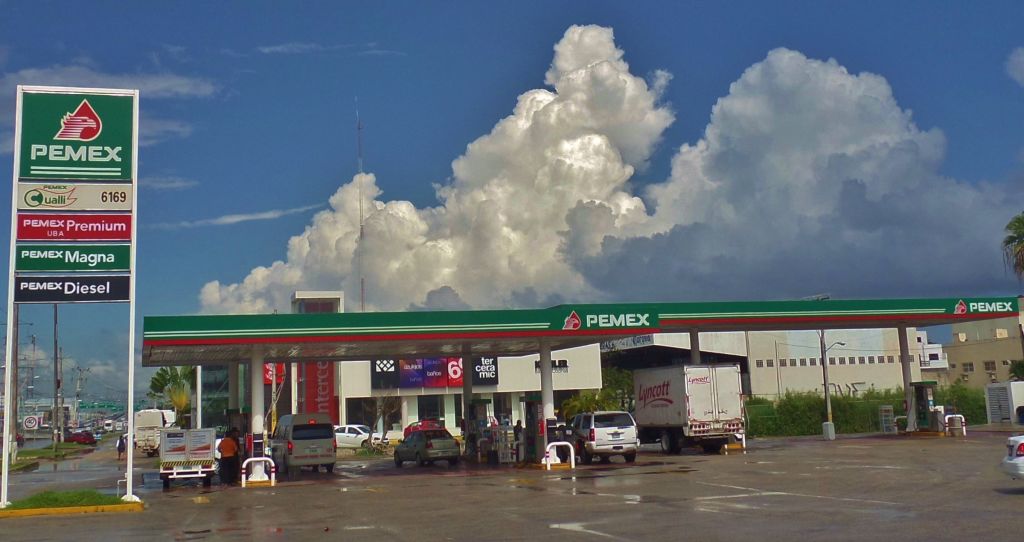
All gas stations are full-service in Mexico. Pemex is the largest brand and the old national brand. There are a few independent gas stations now. But regardless of the name, there are some tricks attendants can pull to scam you. Here are some of the top things to look for.
- Make sure the pump starts at zero and is not adding your sale to the previous sale and charging you for all of it.
- Cash is the best way to pay for gas. Many will try a card but say the machine is not working. So, you need to pay in cash. You only find out later that the charge went through and you paid twice for gas.
- When paying in cash, stay alert and notice what bills you are paying with. Attendants will sometimes switch a 500 bill to a 50 and say you only gave a 50 note and not a 500. To eliminate the issue, hold the bills up and be deliberate when you hand the money.
To see all the scams at the gas stations in Mexico, see our complete article here.
How to Deal with Police Checkpoints
Probably one of the things that people get concerned about is dealing with the police. Police have gotten a bad reputation in Mexico but the more you know, the more comfortable you will be. Most of the time police will not pull you over, they wait for you are police checkpoints. You will encounter federal and state police checkpoints, especially when crossing state lines (e.g., between Quintana Roo and Yucatán). You can also find checkpoints going into and leaving a city.
These checkpoints are for checking if people have been drinking, have a well working vehicle, they check that drivers have licenses, and check on safety of people on the road. Most of this is for your protection while driving and are working to keep the roads safer. However, it is still a new experience for many, so here is what to expect and what to do if stopped.
How Police Checkpoints Function
Police will work part of the day in one location or from a permanent location checking passing cars. Cars are randomly stopped and usually just asked a few questions. Usually, the police as where are you coming from or where you are going. Most of the time if you get stopped it is just a few questions and you are on your way. Your chances of getting stopped are actually low based on how many cars are on the road. We would guess about 8% of the time you get selected.
If the police ask for your license and registration, this is a little more detailed search. Most of the time they ask people with rental cars for these things. If you get stopped (about 8%) about 30 % of these get asked for ID and perhaps registration.
Sometimes the police wave you over and they ask to inspect your car. They often ask you to open your truck and they briefly look around. This happens even less frequently. Of the 8% of times you get stopped, a search of the car happens about 15% of the time. So, the point to take away is your chances of being stopped are slim and even slimmer to get searched.
Important Tips for Checkpoints
Being prepared for a checkpoint will make it easier and a less stressful experience. After nearly 15 years of driving around Mexico, here are some good tips for you.
- When you rent a car, check your paperwork. Is the correct car and license plate listed on the rental contract? Are you allowed one driver or multiple? Is the renter driving the car listed as the person on the contract?
- Most locals will put flashers on when approaching a checkpoint. This lets drivers know behind you that traffic is slowing and possibly stopping.
- Take off your sunglasses. The police like to see the drivers’ eyes. This can show if you have been drinking or taking illegal substances.
- Turn off your radio and if you have darker tinted windows, roll down the back window on the driver’s side, so the police can look in the back.
- Having a friendly smile and a simple greeting will set a nice tone. This alone can get your waved through without any further questions.
- If the police ask to search your car, technically they can only do so with a warrant, or probable cause, or your permission. 95% of the time people give them permission. This is just kind of standard acceptance. If you do refuse, often the police are more focused on you and will extend your time stopped.
What To Do If Asked for You to Pay a Fine (bribe)?
Police are NOT authorized to take payments in leu of fines or tickets. The best course of action is to ask for the ticket. Most of the time (95%) of the time they will not give you one and you are free to go. The police might try to say to you that the ticket is more expensive, or you will need to go to the police station now and it will take a while or some other story. Stick to your statement asking for a ticket. If you did something or think you can get out of a ticket by a bribe, you are continuing the cycle of corruption. In 15 years only three times police have sort of alluded to a bribe. I have never paid a bribe in the Yucatan Peninsula, and I have never gotten a ticket.
Sample One-Week Itineraries for Road Trips
Since most people have a week time, we have set up some sample itineraries for you. Of course, it will depend on how much travel you want to do and how much moving from one spot to the other you like. Here are three sample ideas that offer good destinations and some of the best of what there is to see so you won’t miss some of the highlights of the area. All of these options are family friendly and can be adapted to kids of differetn ages.
Option 1: The “Cultural Heart” Loop
Best for: History buffs, colonial architecture, and world-famous ruins. If the three itineraries, this one will bring you closer to locals and will have more chances to use your Spanish.
| Day | Destination | Why this stop? |
| 1-3 | Valladolid | This is a colorful “Pueblo Mágico” that is small enough to walk around to most things but large enough to offer restaurants and attractions to visitors. It’s the perfect base to see Ek Balam or Chichen Itza ruins. This is also a good introduction to the Yucatan and getting a feel for the culture. Most restaurants offer local specialties and almost everything has a unique local feel to it that will make you feel that you have arrived somewhere different than the Riviera Maya. Spend two nights here so you can explore the area of Valladolid. |
| Chichén Itzá | Since Chichen Itza is on the way to Merida, leave fairly early from Valladolid to get an early start. Plan on 1.5-2 hours visiting Chichen Itza. Leaving your bags in your car is safe especially if out of sight. Continue onto Merida after visiting the ruins. | |
| 3-6 | Mérida | The capital of Yucatán. It’s famous for its colonial architecture, vibrant markets, and incredible food scene. Staying in the center will make walking around easier and taxi rides shorter to points of interest. Take in some museums or just the amazing street walking available. Merida is a three-night stop. |
| 6 | Izamal | Known as the “Yellow City” because every building in the center is painted yellow. It’s incredibly photogenic and peaceful with Maya pyramids in town. You can even climb the largest pyramid and get a 360 view of the area. Staying overnight here will show the quieter side of Izamal and give you a peaceful evening to walk around and reflect on your trip. Reserve one night in Izamal. |
| 7 | Return to Playa | Drive back via the 180D (toll road) to save time for one last beach sunset. |

Option 2: The “Nature & Blue Water” Loop
Best for: Nature lovers, blue water, and relaxation.
| Day | Destination | Why this stop? |
| 1-3 | Tulum | Famous for its ruins perched on a cliff over the ocean and its “boho-chic” beach clubs and cenotes. |
| 4-6 | Bacalar | Known as the “Lagoon of Seven Colors.” This freshwater lake is crystal clear and much calmer than the ocean; perfect for a boat tour and swimming. |
| 5 | Coba | Located deep in the jungle. These ruins are more “wild” than Chichén Itzá, and you can rent bicycles to explore the massive site. |
| 6 | Akumal | The best place to snorkel with wild sea turtles in their natural habitat. Arrive early before the tour buses. |
| 7 | Return to Playa | A short 30-minute drive back to drop off the car and enjoy Quinta Avenida. |

Option 3: the Relax and Culture Tour
Best for those want some slow time and some time to see the sights. This tour will be less driving since you will need to park in Chiquila while you are on Holbox Island.
Itinerary Overview
Days 1-4 Playa Del Carmen to Holbox (via Chiquilá). Isla Holbox is a small island at the tip of the peninsula. It offers Tulum vibes, sandy streets and golf carts to get around. This is a great destination to chill at a nice hotel. Spend three nights so you get a chance to relax and take in some of the stunning scenery here.
Day 4: Holbox to Valladolid (Afternoon Arrival). Enjoy the colonial town of Valladolid.
Day 5: Stroll the center of Valladolid and visit the many artisanal shops. This can be a good stay to visit Casa de los Venados or if you want to learn about the stingless bees, Xkopek Park is a good local tour to take.
Day 6: Valladolid (Chichén Itzá or Ek Balam Day Trip). Choose between these two great ruins. Chichen Itza is more famous, a larger sight and busier. Ek Balam is a little closer to Valladolid, smaller, and you can climb to the top of the main temple.
Day 7: Return to Playa Del Carmen
Conclusion
We hope that we have provided you with some helpful information to plan out a road trip. If you have any questions or comments, let us know in the comments below.
About The Author

Be the first to comment