

Where Do People Speak English in Mexico? A Guide for Foreigners Planning to Move
One of the biggest questions foreigners ask before moving to Mexico is simple: “Will I be able to get by with English?” The short answer is yes, but where you choose to live matters a lot. Of course, when you are thinking about moving to Mexico you will start to learn some Spanish, but this can take a while. Getting started in Mexico might be easier to be in a location where it is easier to speak some English. We are including some of the places in Mexico where you can hear English being spoken and what level it is in each location.
English is not widely spoken across all of Mexico, but there are specific regions where English is common, daily life is easier for non-Spanish speakers, and large foreign communities already exist. Understanding these areas and the limitations is key to choosing the right place to live.
Tourist & Expat Areas Where English Is Commonly Spoken
Playa Del Carmen, Tulum & Cancun (Riviera Maya)
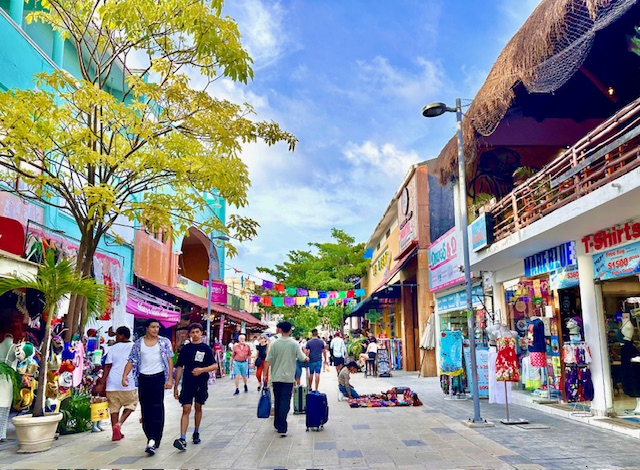
Playa Del Carmen, Tulum, and Cancun are among the most English-friendly places in Mexico, making them especially attractive for foreigners considering a move. In these cities, English is widely spoken in hotels, restaurants, shops, real estate offices, and even many medical clinics. Because tourism drives much of the local economy, many residents who work in hospitality and service industries speak conversational or fluent English. You will often see job opening s asking for people to be proficient in English of 60-80%.
The region also has large expat communities from the United States, Canada, and Europe, which makes it even easier to navigate daily life without advanced Spanish skills. In Playa Del Carmen in particular, it’s possible to live almost entirely in English, especially if you stay near tourist areas and downtown. This accessibility is one of the main reasons many foreigners choose the Riviera Maya as their first home base when moving to Mexico.
If you want to learn Spanish in Playa Del Carmen, for example, there are schools, private tutors, and language groups. Prices start at about $150 USD a week to $320 USD a week depending on how much class time you want.
English level: High in tourist areas, moderate outside downtown.
Spanish required: Helpful, but not strictly necessary at first.
Puerto Vallarta
Puerto Vallarta has one of the largest English-speaking expat populations in Mexico. Puerto Vallarta has been popular since the 1960’s, so there is a long history of English speakers visiting and living there.
- English is widely spoken in restaurants, clinics, and housing services.
- Many locals have lived or worked abroad.
- Strong North American retiree community.
Outside the main tourist and expat neighborhoods, Spanish becomes more necessary—but overall, this is one of the easiest cities for English speakers.
On average Spanish classes in Puerto Vallarta are on the higher end.
English level: High in expat zones
Spanish required: Moderate over time
Los Cabos (Cabo San Lucas & San José del Cabo)
Los Cabos is extremely tourism driven. Most of the tourists and future residents come from the west coast of the US or Canada. This is because flight routes are easier and it is even possible to drive to Cabo from the US or Canada.
- English is spoken almost everywhere tourists and expats go.
- Services, property management, and healthcare often operate bilingually.
- More expensive than most of Mexico.
This area feels very accessible linguistically, but less culturally immersive.
Classes to learn Spanish in Los Cobos will be one of the more expensive places to learn.
English level: Very high
Spanish required: Minimal for daily life
Lake Chapala / Ajijic
This area near Guadalajara has one of the largest retiree expat populations in the world. Retirees like this area because it has access to Guadalajara and all things associated with a big city. The lake side living offers a calm tranquil place.
- English is commonly spoken in social circles and services catering to foreigners.
- Many local businesses accommodate English speakers.
- Slower pace of life.
Outside the expat bubble, Spanish becomes more important.
The Lake Chapala area is probably going to be one of the cheaper areas to learn Spanish is a structured format.
English level: High within expat community.
Spanish required: Moderate for broader integration.

Mexico City (Certain Neighborhoods)
In neighborhoods like Roma, Condesa, Polanco, and Reforma, English is increasingly common. You will notice though that it is a huge city and tourism is not the number 1 industry. So, English is not as spoken here as some of the more touristy destinations in Mexico where expats like to move to,
- Younger professionals often speak English.
- International companies, restaurants, and services operate bilingually.
- Still very much a Spanish-speaking city overall.
English level: Moderate in specific areas.
Spanish required: High long-term.

The Difficulties of Not Knowing Spanish in Mexico
Even in English friendly areas of Mexico, not knowing Spanish eventually comes with challenges. You can live comfortably for a while in tourist zones where English is widely spoken, but once you step outside restaurants, tour agencies, and expat circles, the language barrier becomes more noticeable.
Government offices operate almost entirely in Spanish. Whether you are dealing with residency paperwork, vehicle registration, tax matters, or municipal permits, you should expect forms, instructions, and conversations to be conducted in Spanish. Staff are usually professional and patient, but English assistance is rarely guaranteed.
Utility companies, banks, and immigration services also tend to function primarily in Spanish. Setting up electricity, resolving billing issues, opening bank accounts, or handling official documentation can feel overwhelming if you do not understand the terminology being used. While some larger banks in major cities may have limited English speaking staff, it is not something you should rely on.
Medical care presents another consideration. In private hospitals located in expat heavy areas, you will often find doctors who speak English. However, in public hospitals or during emergencies outside major tourist centers, English support may be limited. In urgent situations, the inability to clearly communicate symptoms or understand instructions can add stress.
As a result, many expats who do not speak Spanish find themselves relying heavily on bilingual friends, hired translators, or paid facilitators to navigate important processes. While this can work, it creates dependency and adds additional cost. Learning at least conversational Spanish does not just improve convenience. It increases independence, confidence, and your overall quality of life in Mexico.
Living only in English can also limit social connections. Many foreigners report feeling isolated from local culture when they don’t learn Spanish. See our article about how to make friends and meet new people in Mexico.
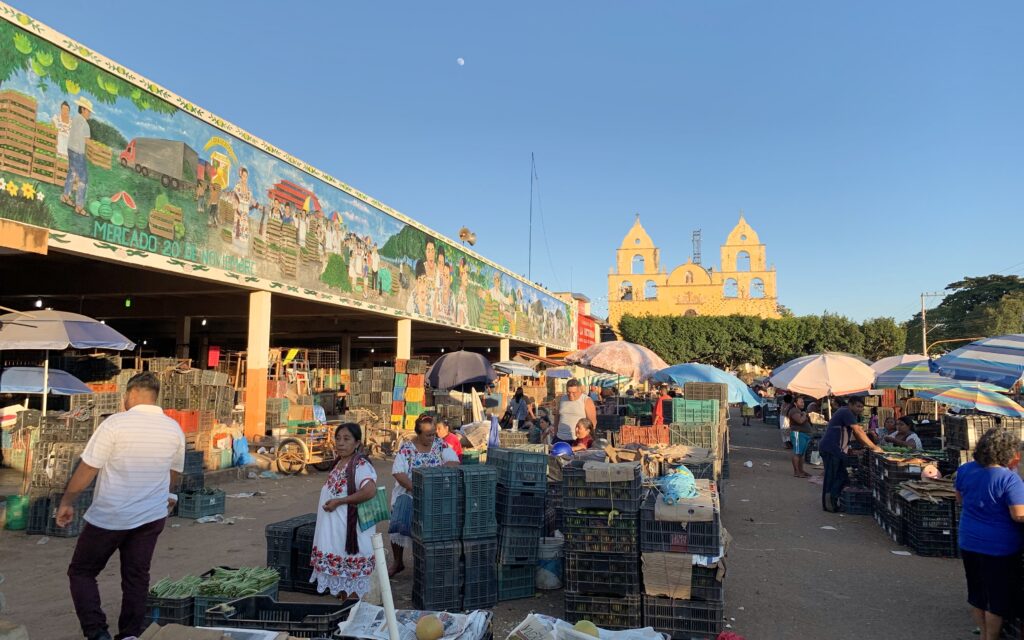
In smaller towns and non-tourist cities, English use drops sharply. Sometimes only a handful of people in a small town speak English. In these areas, not speaking Spanish can become frustrating and stressful, rather than just inconvenient.
How Hard Is It to Learn Spanish in Mexico?
The good news: Mexico is one of the easiest countries in the world to learn Spanish.
Learning Spanish in Mexico is often easier than many foreigners expect. Mexican Spanish is generally considered clear and neutral, particularly in central regions of the country, which makes it more accessible for beginners. Pronunciation tends to be consistent, and slang is easier to pick up gradually compared to some other regional variations of Spanish. Just as important, locals are typically patient and encouraging with learners. Even if your grammar is imperfect, most people appreciate the effort and will often help you find the right word rather than switching immediately to English.
Daily immersion also accelerates progress in a way that classroom study alone cannot. When you are ordering food, asking for directions, paying bills, and having small conversations every day, repetition reinforces what you learn. In addition, affordable language schools and private tutors are widely available throughout Mexico, making structured study accessible for most budgets. Many foreigners find that they reach basic conversational Spanish within six to twelve months, even starting from zero, especially if they live outside tourist-only areas and make a consistent effort to practice.
The Catch
If you live in a place where everyone switches to English for you, progress can be slow. Ironically, the more English-friendly the area, the harder it can be to force yourself to learn Spanish.
Choosing the Right Place to Live
If you’re moving to Mexico and don’t speak Spanish yet, consider this progression:
- Short-term or first move: Playa Del Carmen, Puerto Vallarta, Los Cabos
- Medium-term with learning goals: Lake Chapala, Mexico City
- Long-term integration: Smaller cities and towns once Spanish improves.
Many foreigners start in an English-friendly area, then move later once they gain confidence in Spanish.
Final Thoughts
Mostly the places where expats have moved to in the past, are places where you can find English more commonly spoken. For a more detailed look at where expats live in Mexico’s Yucatan Peninsula, see our article here. You might also like to know where the expats live in Playa Del Carmen.
Yes, there are places in Mexico where you can live comfortably speaking mostly English. But learning Spanish, even slowly, will dramatically improve your experience, independence, and sense of belonging.
Mexico rewards effort. A few phrases open doors. A conversation builds trust. And over time, Spanish becomes not just useful, but one of the most valuable parts of living here.
About The Author

I am ready to move to Mexico but my husband is not sure he wants to or can learn Spanish. We might need to live in Cancun first and figure our way.
My husband and I are looking to move to Mexico this year. We are working on our Spanish but are worries we will not speak enough to make it easy for us. We are considering some of the places where English is a little more commonly spoken to make the transition easier.